Freshwater Wildlife — Italy

Rivers, Otters, and the Ecosystems That Connect Them

Otterbrook follows the waterways of Italy — from the Po Delta to the Apennine streams — documenting the wildlife found along freshwater corridors, with a particular focus on the Eurasian otter and the ecosystems that sustain it.

Read the Field Notes
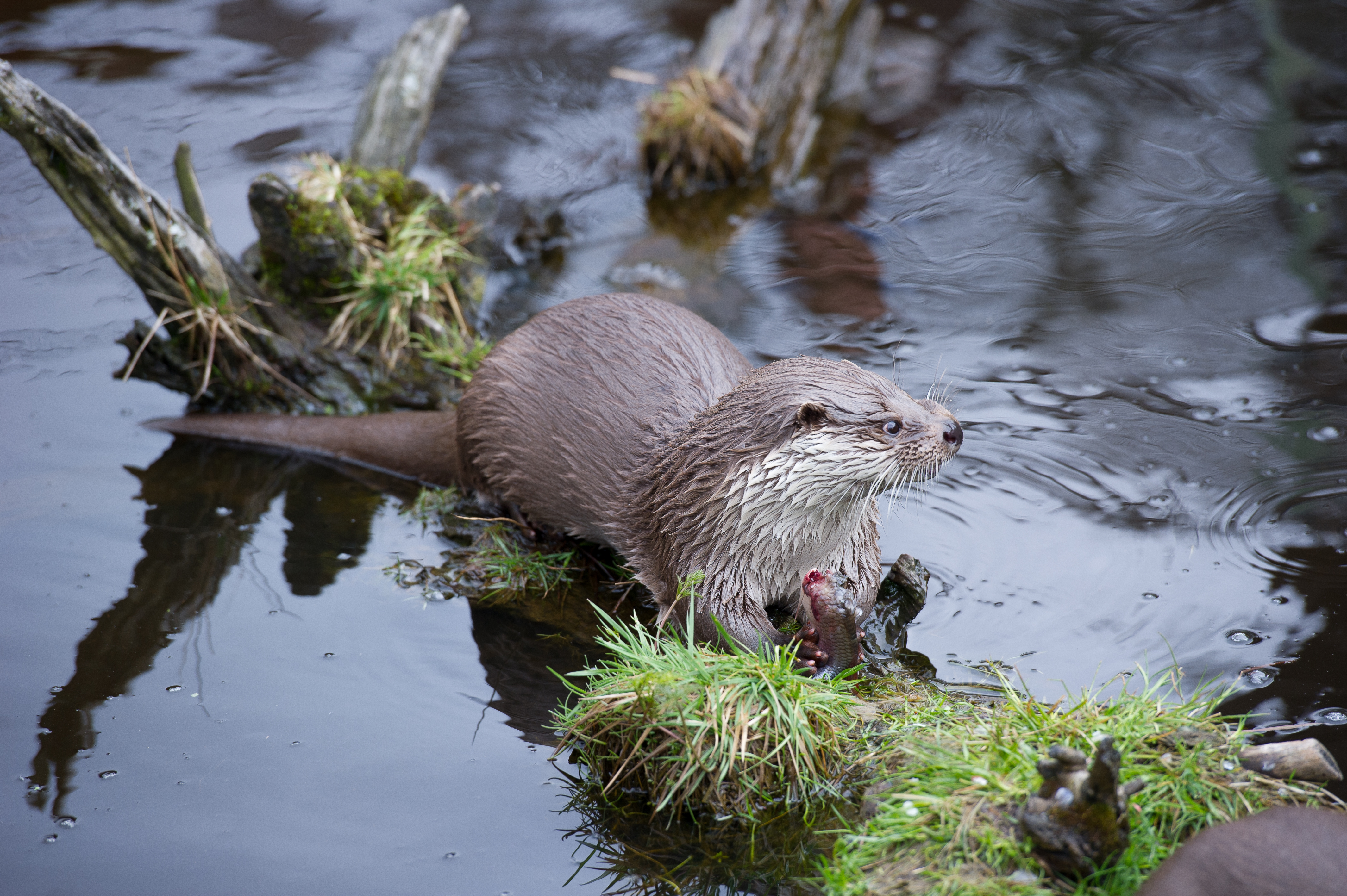
Eurasian otter resting on a riverbank

Recent Articles

Three in-depth pieces covering otter ecology in the Po Delta, the freshwater fish communities of northern Italian rivers, and the riverbank trails of Tuscany and Umbria.

Eurasian otter swimming

Habitat & Behaviour

Eurasian Otters Along the Po Delta: Habitat and Behaviour

The Po Delta ranks among the most productive freshwater wetlands in southern Europe. This piece maps the otter's range within the delta, its feeding patterns, and how seasonal flooding shapes territory use.
Updated 3 May 2026

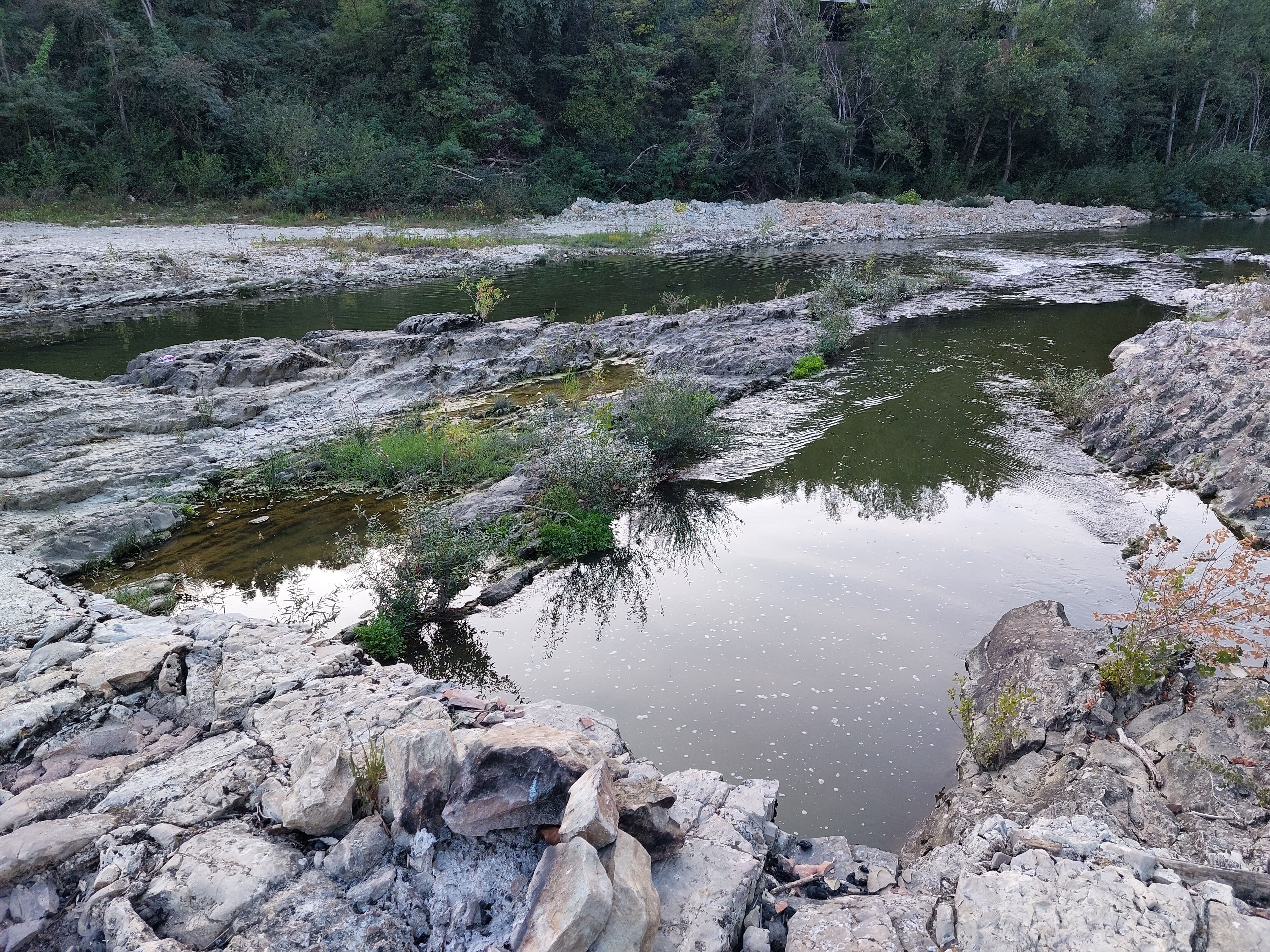
Rock and marsh grasses along the Arno river in Tuscany

Trails

Guided Riverbank Wildlife Trails in Tuscany and Umbria

The Arno, Tiber, and their tributaries offer walking routes that pass through riparian woodland, reed bed margins, and gravel-bar habitats where kingfishers and grey herons are reliably encountered.

Updated 3 May 2026

The Po Delta: Italy's Most Significant Freshwater Wetland

Covering roughly 380 square kilometres of braided channels, brackish lagoons, and reed beds, the Po Delta supports one of the highest concentrations of waterbird species in the Mediterranean basin. Eurasian otters have recolonised sections of the delta over the past two decades following improved water quality downstream of industrial zones in Emilia-Romagna.

Read the full article

Why Otter Range Has Expanded

Italian otter populations contracted sharply through the 1970s and 1980s. Improved river legislation, reduced pesticide runoff, and voluntary riparian planting schemes along several northern river systems have contributed to a gradual range recovery that researchers at the University of Bologna have been tracking since 2008.

About Otterbrook

What the Rivers Hold

Three distinct themes from Italy's freshwater corridors, illustrated with field imagery from Wikimedia Commons.

Po Delta Birdlife

Grey herons, little egrets, and common kingfishers follow the same channel margins as otters — a useful indicator group for riparian health assessments.

Herons in the Po Delta wetlands

Kingfisher — Po River Belt

The common kingfisher is one of the clearest visual indicators of clean, fish-bearing water. This individual was photographed in the nature reserves of the Po fluvial belt, Piedmont.

Common kingfisher (Alcedo atthis) at the Po River, Piedmont

River Channels at Dusk

Evening light on the Po delta channels is when otter activity peaks. Flat water, low wind, and long sight lines make this the most productive time for field observation along the main distributary channels.

Po river delta channel at dusk

Freshwater Ecosystems as Reference Points for Conservation

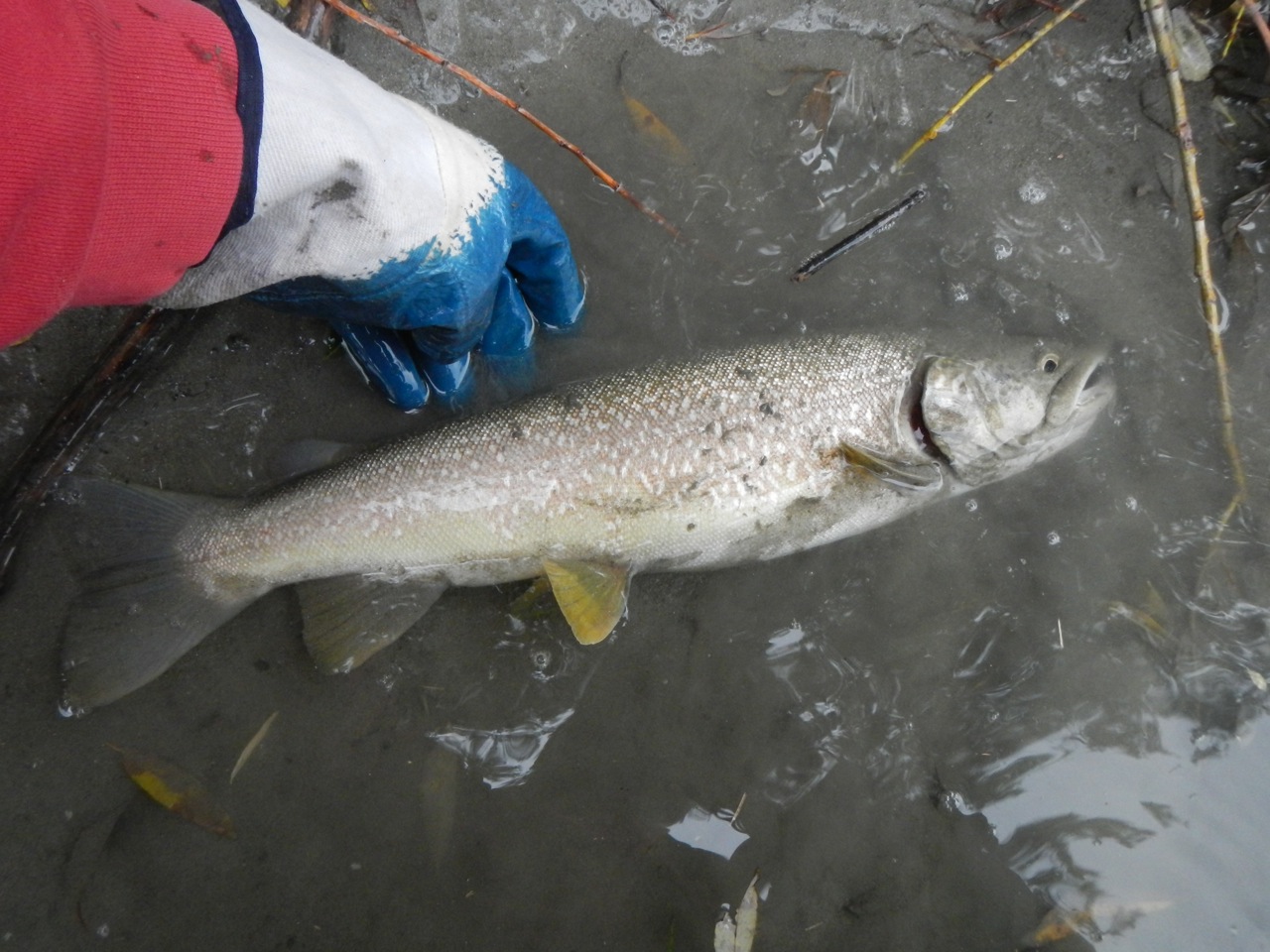
Italian rivers experienced significant ecological simplification during the twentieth century — channelisation, gravel extraction, and the introduction of non-native fish species altered the baseline that wildlife depended on. The partial recovery visible today in the otter's range, in marble trout populations in the Adige catchment, and in improving macroinvertebrate indices along sections of the Tiber reflects what is possible when pressure is reduced. These pages document that recovery without overstating it.

Contact

For questions about the content on this resource, corrections to field data, or general correspondence, use the form below or write directly to info@otterbrook.eu.

By submitting this form you agree to the privacy policy. No data is shared with third parties. Response times are typically 2–3 business days.

About This Resource

Read about Otterbrook