Trails
Guided Riverbank Wildlife Trails in Tuscany and Umbria
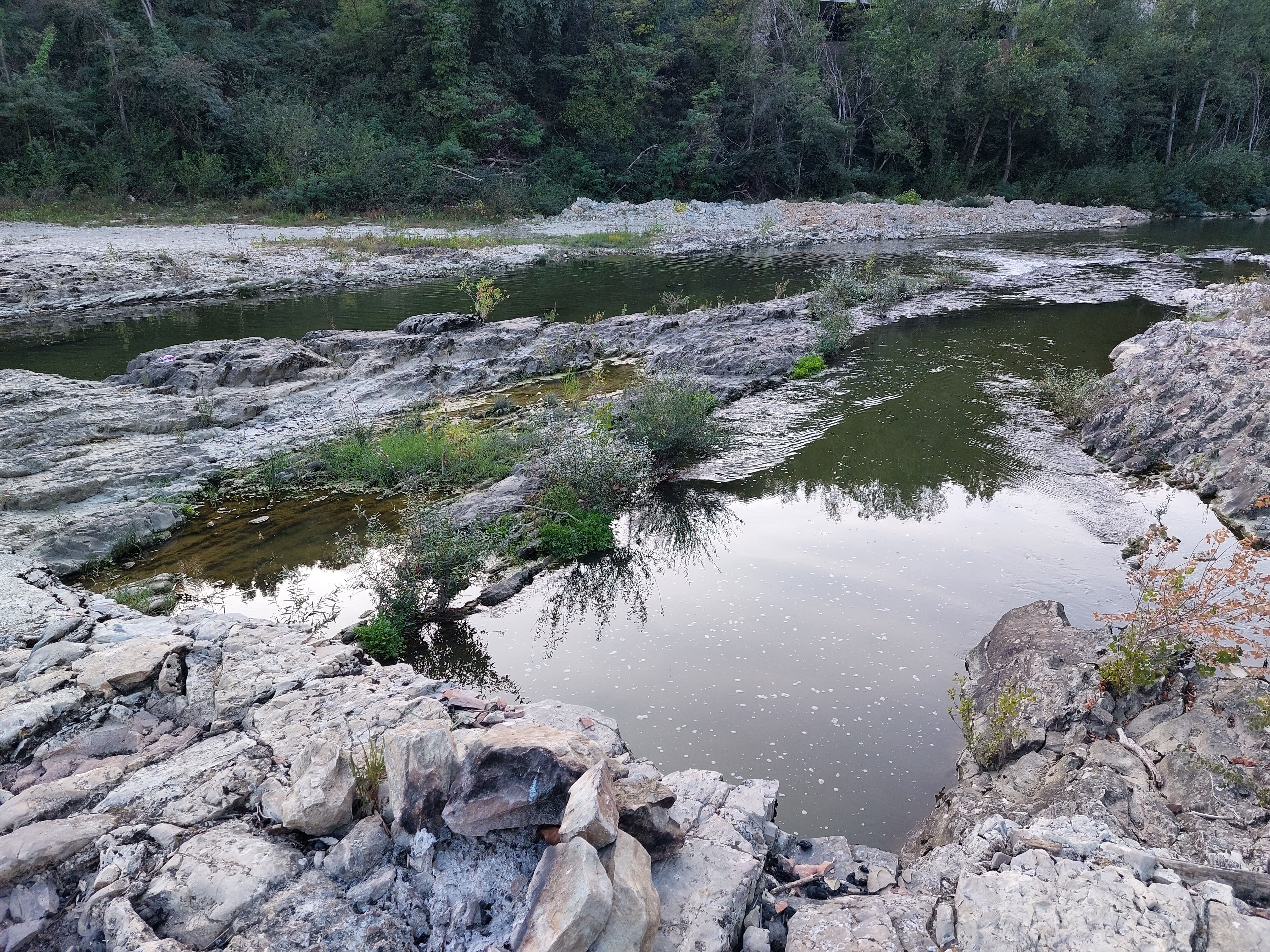
Central Italy's river corridors — the Arno and its Apennine headwaters in Tuscany, the Tiber and the Nera in Umbria — offer walking routes that pass through riparian habitats distinct from those found in the more intensively managed north. The landscapes here are less flat, less agricultural at the river's edge, and in some stretches have retained a degree of structural complexity — exposed rock, emergent vegetation, cobble bars, overhanging bank vegetation — that makes them productive for wildlife observation in a way that is not immediately obvious from a map.
This piece covers walking routes and observation points along four river corridors in Tuscany and Umbria that have produced consistent wildlife records in recent years. None of the routes described requires special equipment or permits; all use existing public paths or riverbank access tracks.
The Upper Arno: Between Casentino and the Valdarno
The upper Arno, from its headwaters on Monte Falterona through the Casentino valley to the point where it enters the wider Valdarno basin, is one of the more consistently productive stretches of river in Tuscany for riparian wildlife. The valley is narrow enough that the river is always visible from the flanking paths, and the combination of Apennine beech woodland on the upper slopes and a riverbank corridor of alder, black poplar, and willow at lower levels creates edge habitat that concentrates bird and mammal activity.
The regional path network through the Casentino — partly coinciding with sections of the Via di Francesco pilgrim route — follows the right bank of the Arno for extended sections between Stia and Poppi. Common kingfishers (Alcedo atthis) are regularly present at the slower reaches between Bibbiena and Poppi, where the channel widens and shallows over gravel bars. Grey wagtails (Motacilla cinerea) are found throughout. Dippers (Cinclus cinclus) occur in the faster, more oxygenated sections above Stia.
Otter Signs in the Casentino
Otter spraints have been recorded at multiple locations along the upper Arno within the Casentino Forests National Park boundary, with confirmed records at bridge abutments and exposed boulders between Stia and Poppi. The national park authority's wildlife monitoring reports from 2018–2022 indicate a small but stable otter presence in this section, though the population density is lower than in the wetland systems of northern Italy. The upper Arno corridor connects via the Apennine watershed to otter populations in the Tiber headwaters — a linkage relevant to the long-term genetic connectivity of central Italian otter populations.
The Tiber Above Todi: Umbrian River Woodland
The Tiber between its confluence with the Paglia tributary and the stretch above Todi runs through one of the least-visited riverine landscapes in central Italy. The agricultural intensification that has simplified the Tiber's lower reaches has had less impact in this mid-valley section, where the topography constrains floodplain width and the river retains a degree of natural meandering. Black poplar woodland, reed beds at the slower bends, and exposed sandy banks where green sandpipers probe for invertebrates make this corridor more productive for observation than its relative obscurity suggests.
Access is possible from the SS448 road between Orvieto and Todi, with several unsigned farm tracks leading to the riverbank. The most productive observation points are at the meander bends where the channel cuts against rocky or clay bluffs — locations where kingfishers nest in burrows excavated into the soft bank material and where otters, where present, tend to leave spraints on exposed rocks at the river's edge.
Kingfisher Density and Nesting
The common kingfisher density in the mid-Tiber corridor appears, on the basis of call-count surveys conducted by local ornithological groups in 2021, to be relatively high — estimated at one breeding pair per 2–3 kilometres of suitable channel. This figure is consistent with data from other Italian rivers with moderate fish availability and intact bank structure. Kingfisher nesting activity is concentrated between April and July, and disturbance of nesting burrows is an offence under Italian wildlife law. Observation from bank-side paths at a distance of 20–30 metres from active burrows does not constitute disturbance provided no direct approach is made.
The Nera River: Cascata delle Marmore and Upstream
The Nera, an Apennine tributary of the Tiber draining the eastern flank of the Umbrian mountains, is best known at its lower section for the Cascata delle Marmore — a Roman-engineered waterfall created by diverting the Velino river — but the section above the falls is ecologically more significant. Between Scheggino and Triponzo, the Nera flows through the Riserva Naturale Nera, a protected area covering the gorge section of the river.
The Nera's water clarity is notably higher than that of the main Tiber stem, and the river supports native salmonid populations, including brown trout in the upper reaches and chub throughout. Otter presence has been confirmed in the protected section by multiple surveys conducted for the reserve's management authority. The narrow gorge topography concentrates wildlife along the channel itself — there is limited floodplain — and the walking track that follows the left bank through the reserve provides viewing angles directly onto the river surface from 3–5 metres above water level, which is effective for spotting both kingfishers and otters in flight or fishing.
The Paglia and the Orvieto Bluffs
The Paglia, a left-bank tributary of the Tiber that drains the volcanic plateau south of Radicofani, passes beneath the Orvieto tufa bluffs through a section of river that combines archaeological interest with wildlife value. The slow, tree-lined Paglia between Orvieto Scalo and the Tiber confluence is particularly productive for grey herons (Ardea cinerea), which nest colonially in the riverside poplar stands, and for little egrets (Egretta garzetta) that feed along the shallow margins.
The Paglia's fish community includes chub, barbel, perch, and introduced catfish — a composition typical of the middle Tiber basin. Otter presence at this confluence is documented intermittently in monitoring reports but has not been confirmed as a breeding territory; the available habitat may serve as a movement corridor rather than a sustained residence site.
Practical Notes for Riparian Wildlife Observation
Central Italian rivers in summer experience low flow conditions that concentrate fish in deeper pools and make them more visible from bank-side vantage points, but also reduce otter activity during daylight hours. Spring (March–May) is generally the most productive season for observing kingfisher nesting behaviour and for finding otter spraints at newly exposed marking sites as water levels fall from winter highs. Autumn brings increased eel movement in the Tiber system, which appears to correlate with elevated otter activity at weirs and other structures where eels concentrate.
- Approach riverbanks slowly and remain on established paths. Ground vibration from heavy footfalls is detectable by otters at considerable distance in shallow water.
- Binoculars with a minimum 8×42 specification are useful for scanning exposed boulders and gravel bars from distance.
- Early morning visits (within two hours of dawn) produce significantly more mammal sightings than midday visits along most Italian river corridors.
- Otter spraints have a distinctive, not unpleasant, fishy-oily odour and are typically deposited on prominent rocks, concrete structures, or root masses at the water's edge. Fresh spraints are dark green-grey; older spraints fade to grey-white with visible fish scales and bone fragments.
Further Reading
The Nera Nature Reserve provides current access information for the protected section of the river. The Casentino Forests National Park website carries trail maps and wildlife records for the upper Arno corridor.